The next day delivered another perfect morning. The evening before I had already consulted Amber on what to do with it. Hiking was too short notice to arrange, and the Enoden would almost certainly be packed on a Sunday. The Sky Tree was already booked for the following day. So Amber suggested Odaiba, Tokyo’s artificial island playground.
It hadn’t featured in my original travel plans, but a quick search was convincing enough: shopping, a fully animated life-size mecha statue, a science museum, and — crucially — something other than temples for a change.
Under the bridge (and on it)
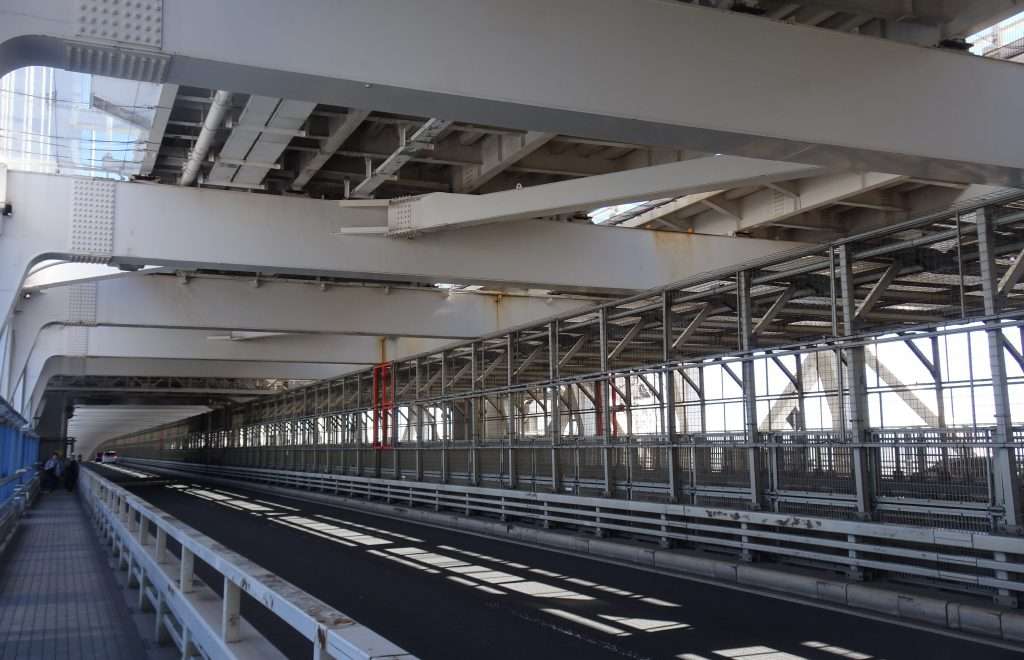
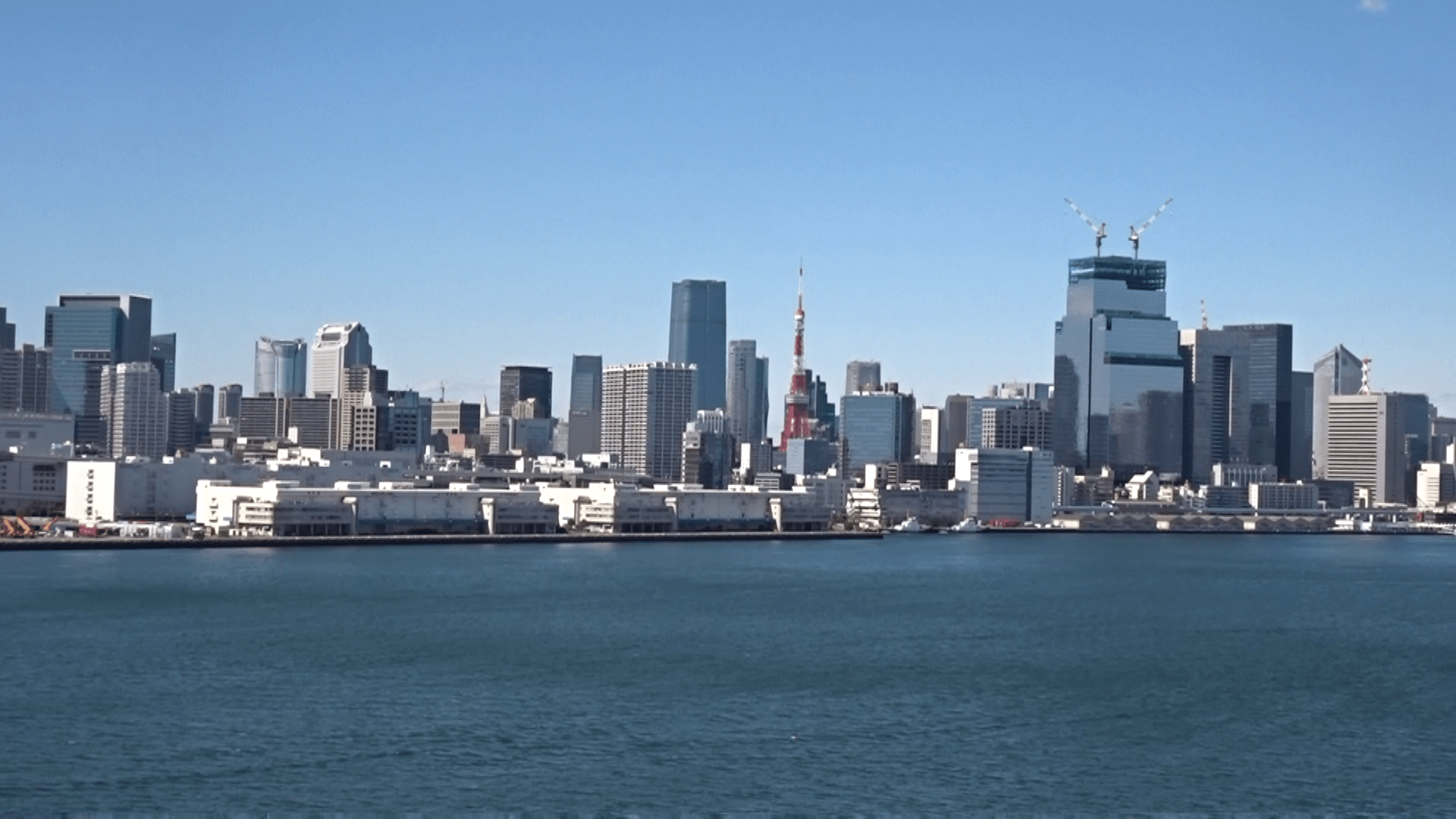
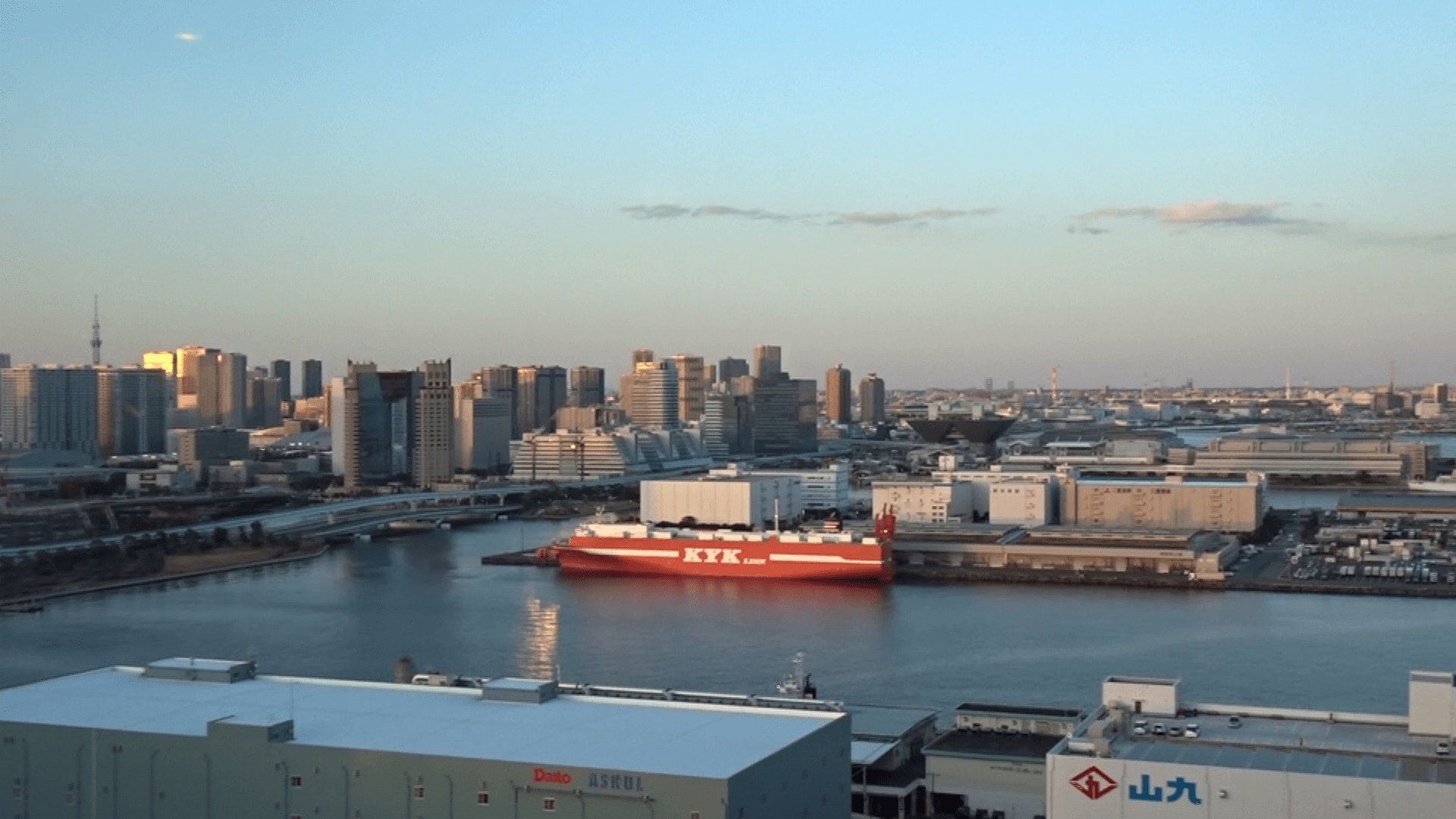
I set off in good spirits. To reach the island I had planned to cross Tokyo Bay via the Rainbow Bridge, which promises a magnificent view of the Tokyo skyline — and, spoiler, delivers on that promise. First step: the Yurikamome Line to Shibaura-futo. This was already the first small highlight, since the Yurikamome is fully automated — driverless, gliding above the city like something out of a near-future anime. Everything went smoothly, as it tends to in Tokyo, and I made my way to the bridge, joining a handful of other tourists also searching for the entrance.
North side or south side? The north side offered the better view of the Tokyo skyline, while Odaiba in the daylight didn’t strike me as the more photogenic direction. After a little searching I found the right elevator and set off on a brisk thirty-minute walk. It was windy, but welcome given the sun was already making its presence felt. Traffic was light at that hour, so the crossing was peaceful — just the skyline, the bay, and time to take an unreasonable number of photos. I arrived in Odaiba at around 11:30.
Mecha Madness and Cotton Candy Ice Cream
Food and more food
Arriving at Odaiba with a healthy appetite, I made straight for the Fuji TV area. The Fuji TV building was impossible to miss — a structure that looks like someone balanced a giant silver sphere between two towers and decided that was fine. I filed away the observation deck as a potential afternoon option and headed first to DiverCity, the large mall at the heart of the area. The ELK, which I had been quietly looking forward to, turned out to be permanently closed — one of those small travel disappointments you just have to absorb.
The food hall on the upper floor more than compensated in sheer scale, if not in helping me make a decision. My chronic inability to choose struck again, but I eventually landed at Torikai Express. I still have no idea exactly what I ordered — something with chicken — but it was tasty, cheap, and filling, which is really all you can ask.
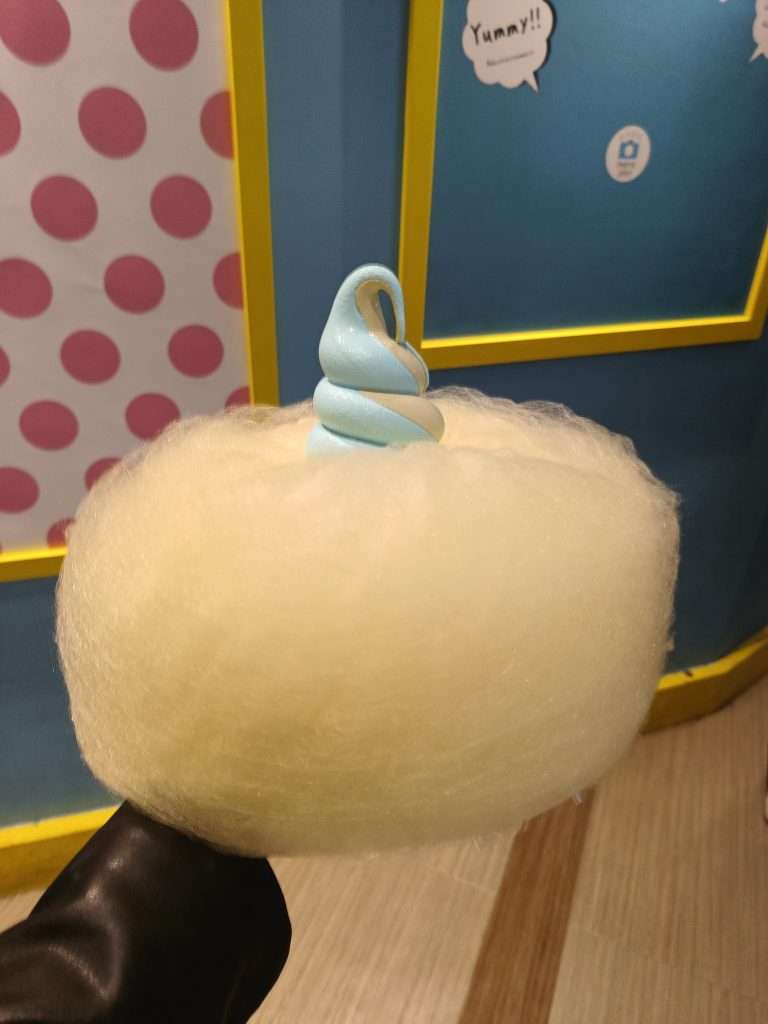
Lunch sorted, I had dessert firmly in my sights. Decora Creamery had been on my food itinerary for a while: elaborate ice cream in outlandish flavours, piled high with colourful cotton candy. Exactly as wonderfully excessive as it sounds. The booth was only a short walk away, but the queue was substantial — though by this point I had developed a certain zen attitude toward standing in line. I watched children and adults alike deliberate over their orders with equal seriousness, which was charming. After about fifteen minutes it was my turn, and after the customary lost-in-translation exchange, I emerged victorious with my ice cream.
The verdict: very, very sweet — predictably so, given the cotton candy situation, which also made the whole thing structurally challenging to eat without becoming one with the sugar. The Matcha Sea Salt ice cream itself was genuinely good, but soft-serve texture remains something I cannot fully make peace with. For me, nothing beats a proper Italian gelato. Sorry, Japan. Still — I worked through it slowly, made a considerable mess, and moved on.
GUNDAM
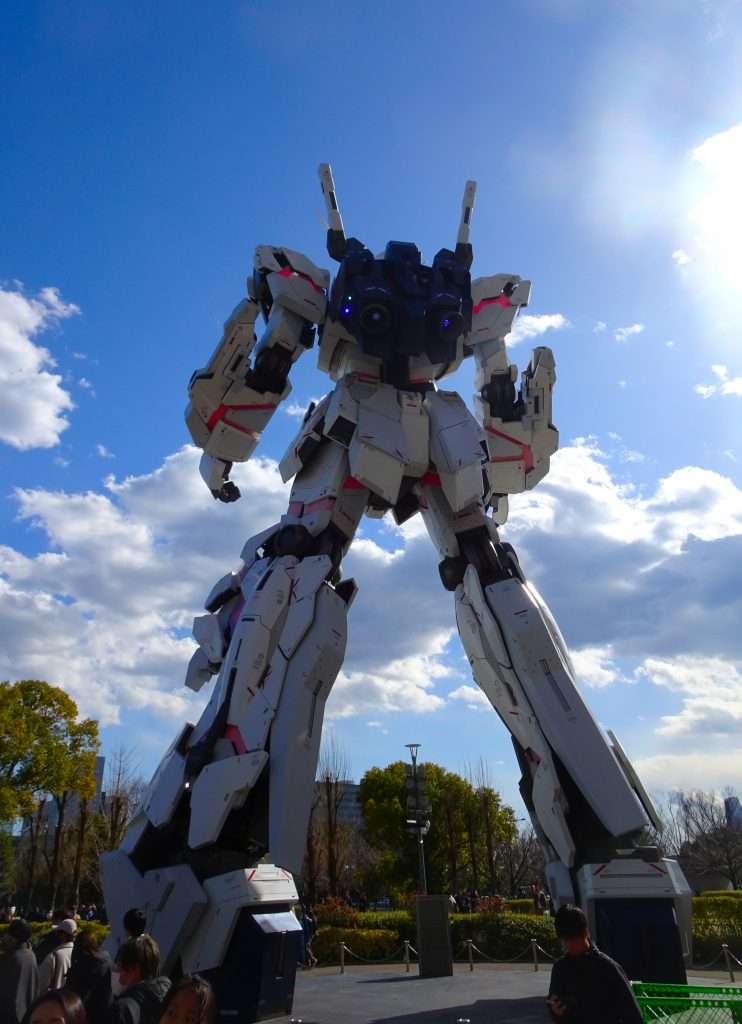
Next on the agenda: the legendary GUNDAM statue in front of DiverCity — frankly one of the main reasons I had come to DiverCity in the first place. I’ll be upfront: the vast tapestry of mecha universes is largely lost on me, but there are some things that transcend fandom and become simply a thing you have to see, and a life-size RX-78-2 standing eighteen metres tall and weighing twenty-five tons is one of them.
Not that DiverCity was subtle about it. The entire lower floor was a shrine to the Gundam universe, a glorious sensory assault of every conceivable piece of merchandise — model kits, figures, apparel, items of uncertain purpose. The kind of place where even a non-initiate starts to feel the pull.
At the main entrance I stumbled into the final round of what appeared to be a J-pop/rock girl band competition. I was far too late to catch much of it, so I applauded politely, absorbed the energy, and made my way to the crowd gathered around the mecha. And yes — standing directly in front of it, the thing is genuinely impressive. It wasn’t moving at that moment, but I had already earmarked the evening light show and wasn’t worried.
The merchandise, however, held limited appeal for me personally, so I didn’t linger. Miraikan was waiting, and I was already running late.
At the Miraikan
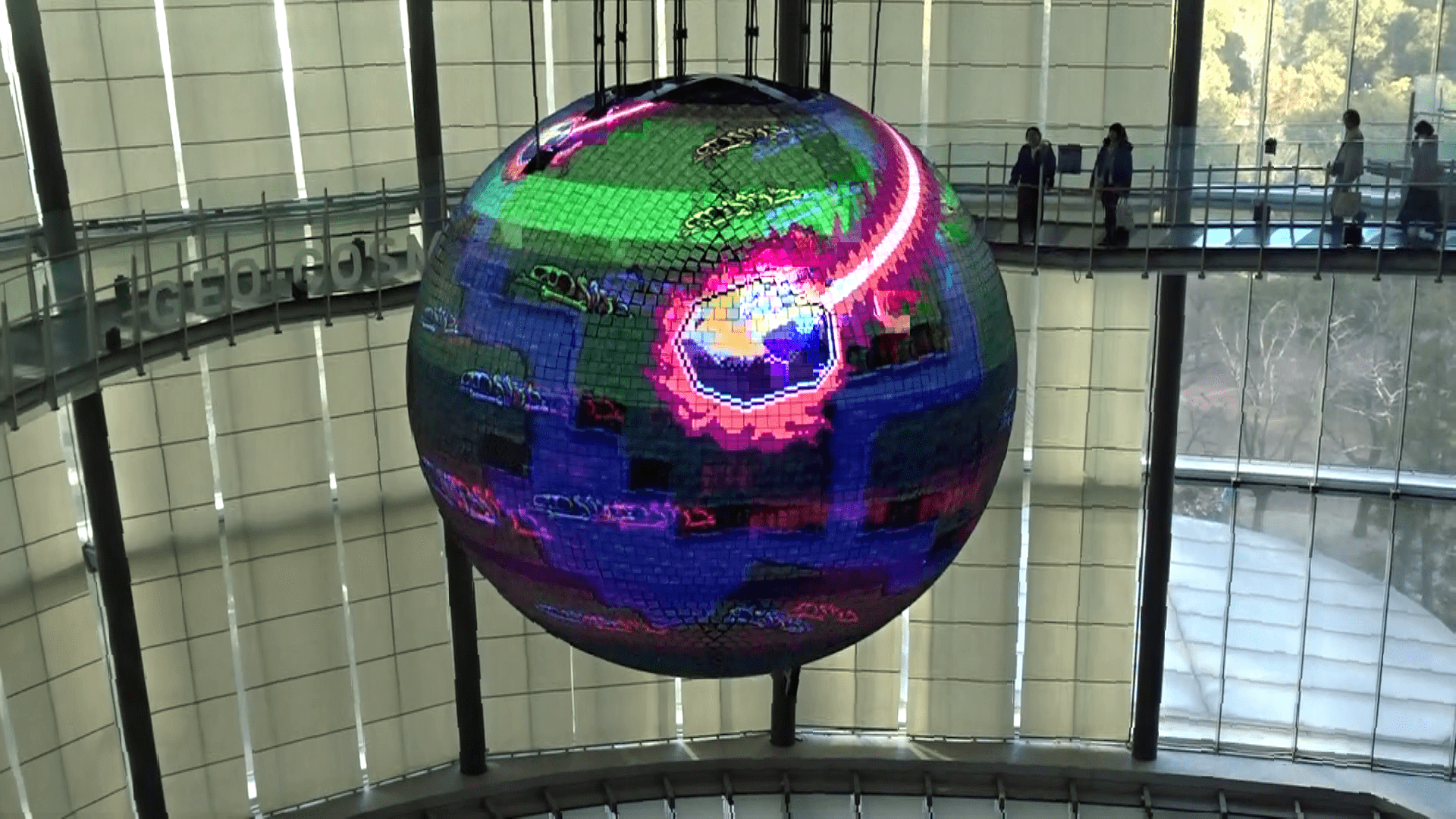
I had been particularly looking forward to the Miraikan. Science museums have always been my natural habitat, and I was curious to see how it would stack up against the Technorama. Unfortunately I arrived quite late — the museum closes at 5 p.m. — leaving me roughly two hours to work through the exhibitions at something between a stroll and a light jog.

The guiding philosophy here is accessibility: making science tangible rather than just informative. A lot of the underlying facts were familiar to me, but the presentation frequently wasn’t, which is its own kind of enjoyable. The “Planetary Crisis” exhibition was a highlight — thought-provoking and genuinely immersive. Much of the museum looks toward the future, with a refreshingly mixed-signal assessment of whether science and technology can actually dig us out of the holes we’ve made, climate change in particular. Somewhat ironic, given that Japan ranks among the world’s highest per-capita waste producers, but points for not shying away from the tension.
The section on the HAYABUSA missions was where I completely lost track of time — in the best possible way. For anyone with even a passing interest in space exploration, the sheer precision and audacity of those missions is extraordinary, and the exhibit does them justice. I lingered there far longer than I should have, which meant the Dome theatre was off the table entirely. Not that it would have mattered — as with most genuinely spectacular things in Japan, tickets require the kind of advance planning I consistently fail to do.
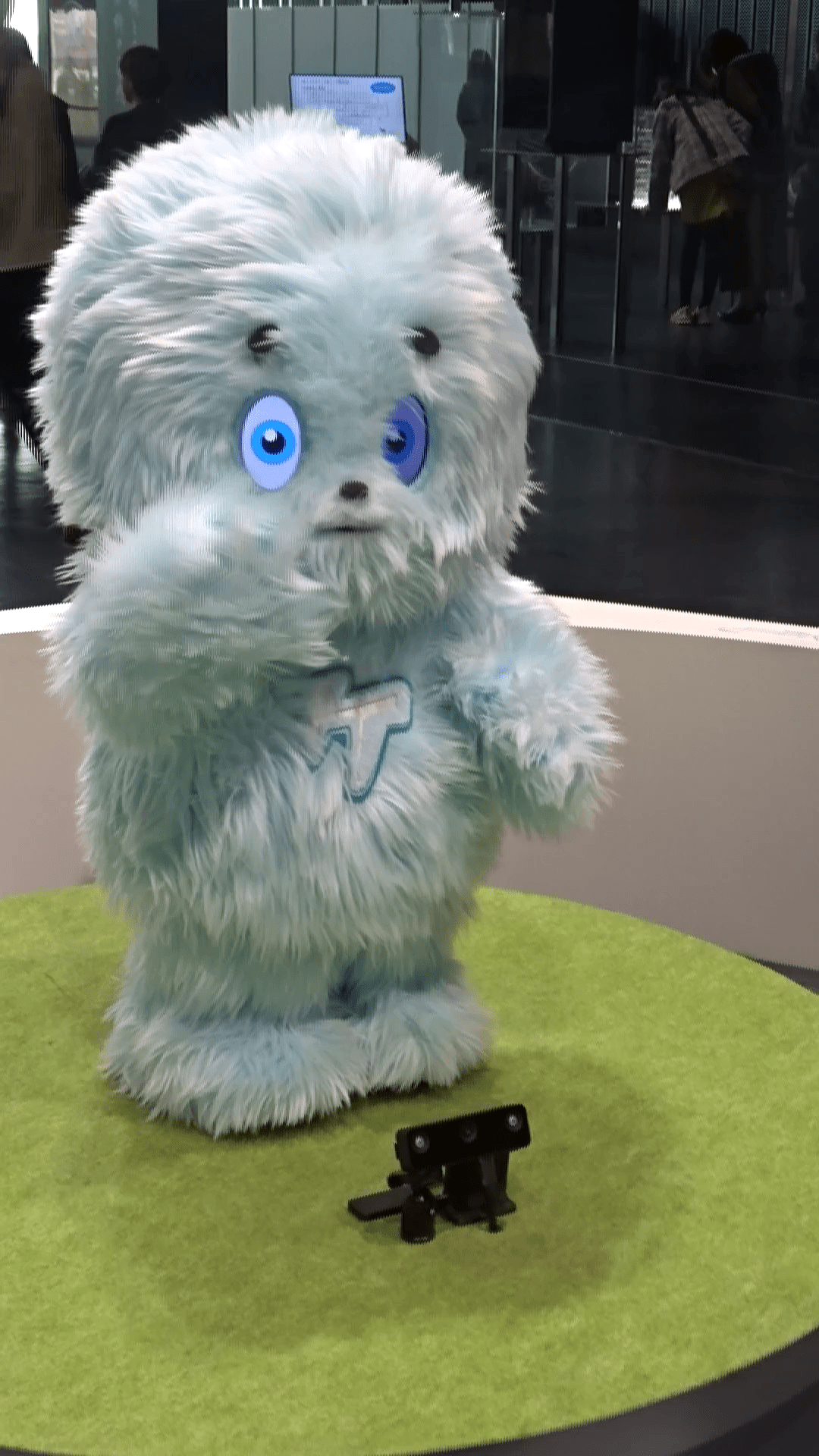
Back on the ground floor, I briefly played with an AIBO and a Paro therapeutic robot, attempted to steer humanity toward a better future in the timeline game (I did not succeed), and spent a while with the “Digitally Natural” exhibition. I had been hoping to find ASIMO somewhere in the building, but either the exhibition was closed or I simply missed it — a small disappointment.
Conclusion
Absolutely worth a visit, particularly if you’re interested in science as experience rather than just data. I suspect it would be especially good for older children — considerably more engaging than the Natural History Museum in Ueno, anyway.
A relaxing evening in Odaiba
Beautiful views
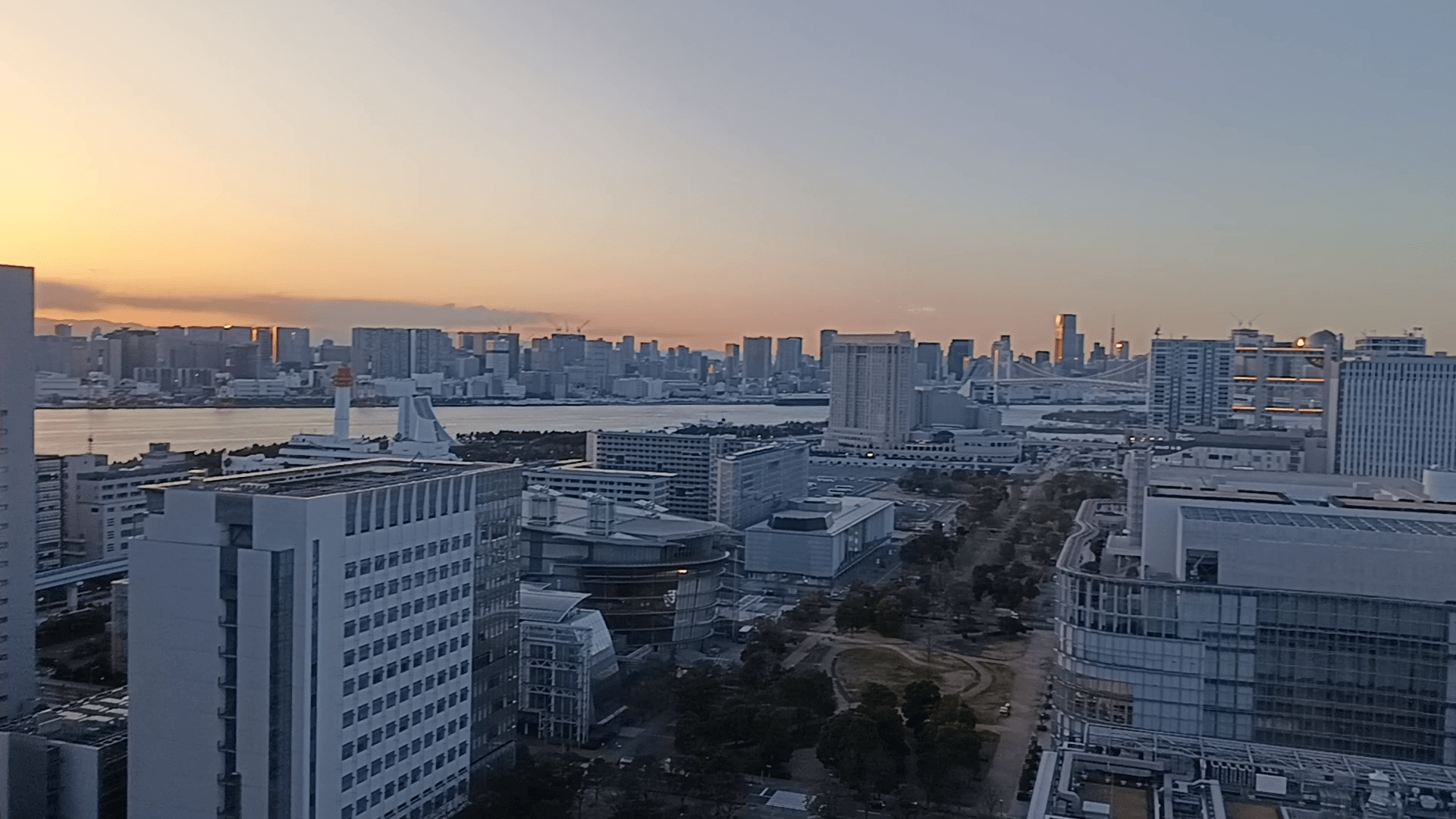
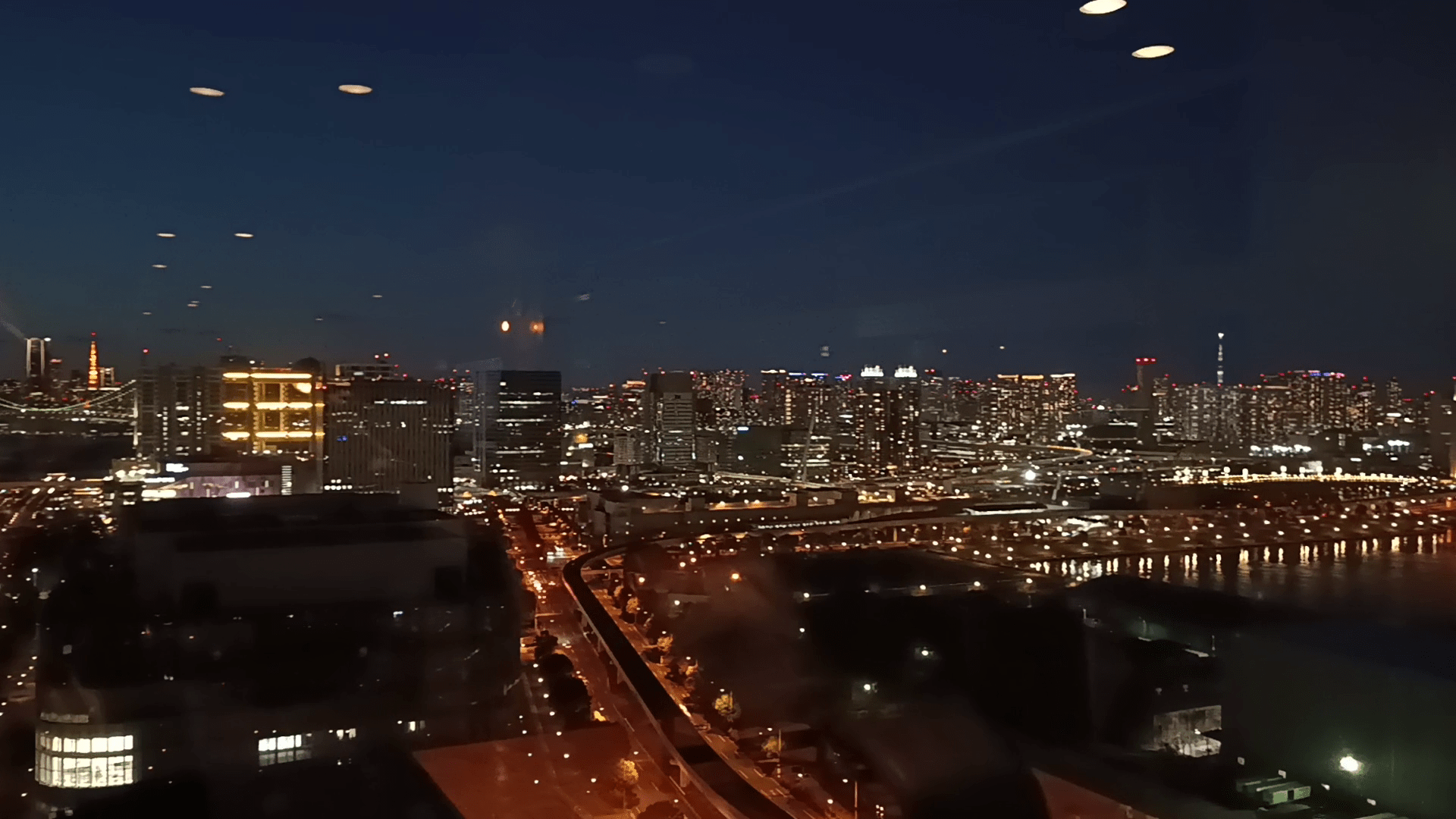
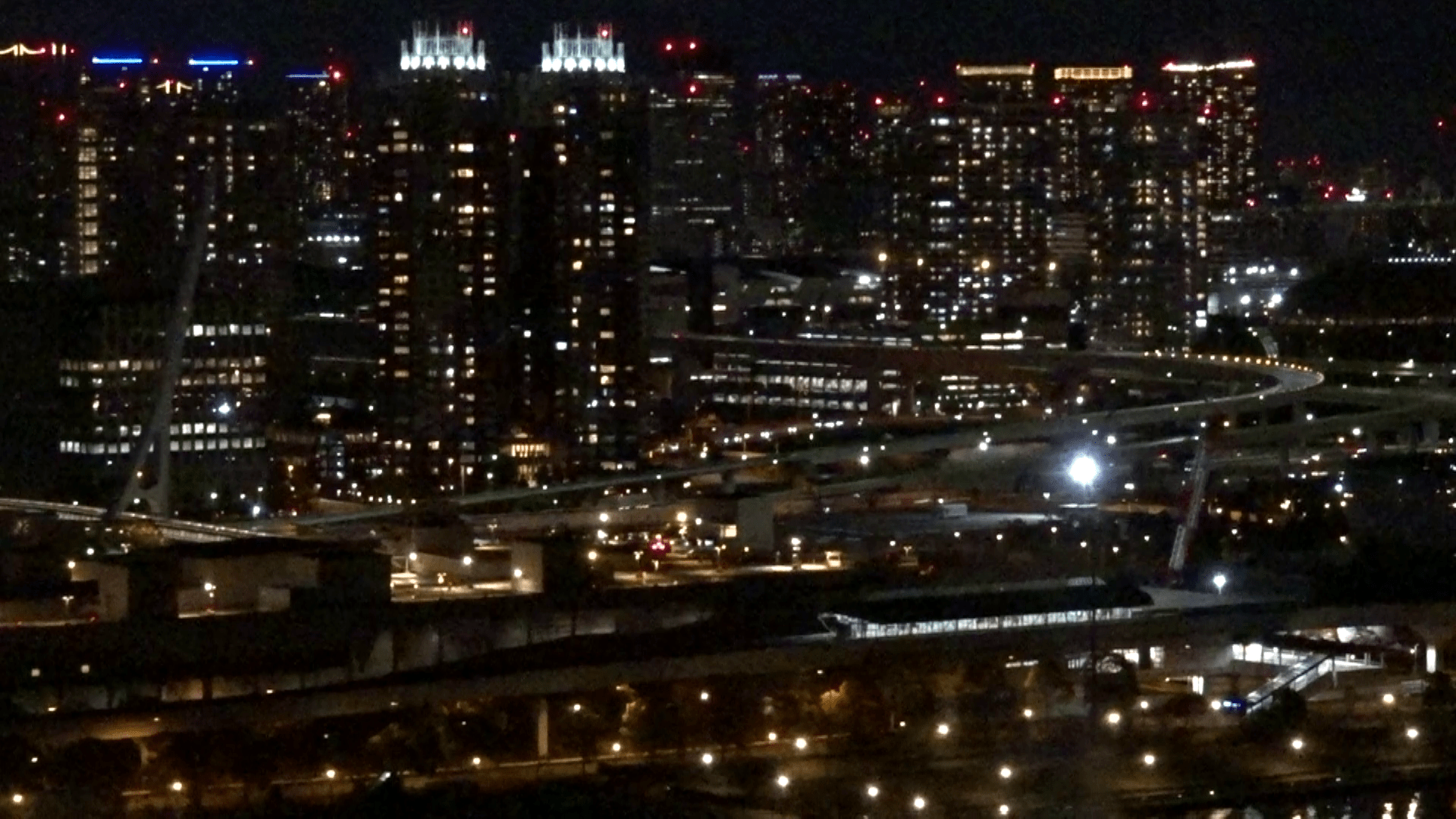
With the day winding down, I made my way to the observation deck of the Telecom Center, just a short walk from Miraikan. At 500¥ entry and open until 11 p.m., it’s one of those quietly excellent finds that doesn’t make it onto every tourist itinerary — and all the better for it. The platform was blissfully uncrowded: a few photographers, one tourist couple, lounge music, and a comfortable sofa. The cocktail bar was unfortunately closed, which would have been the perfect finishing touch, but even without it I was more than happy to simply sit and decompress for an hour after what had been a very full day:
…and a delicious dinner
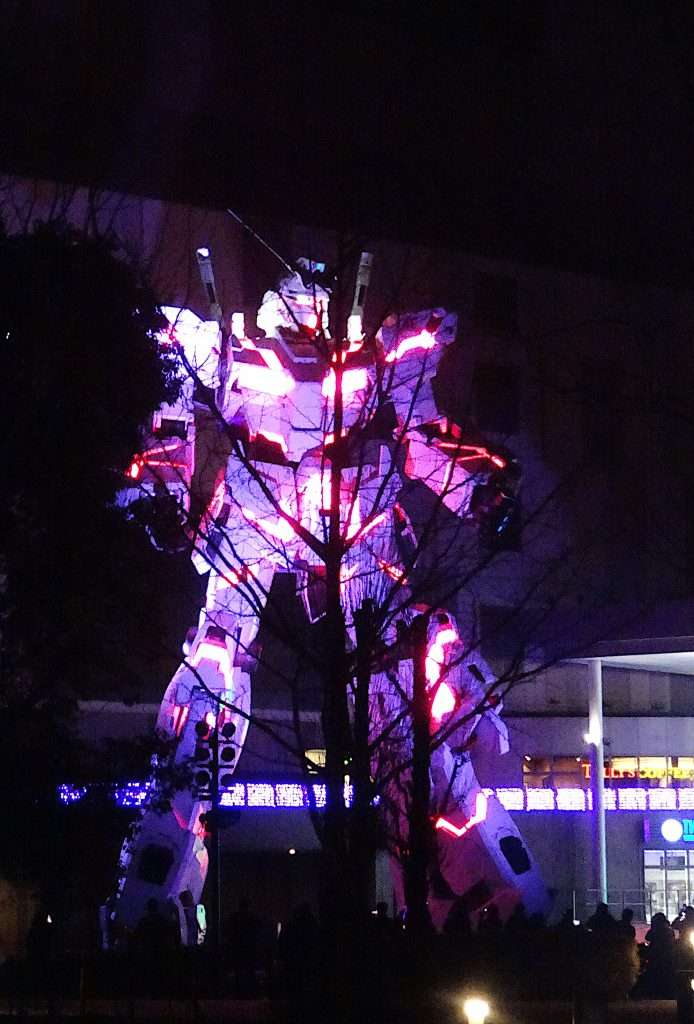
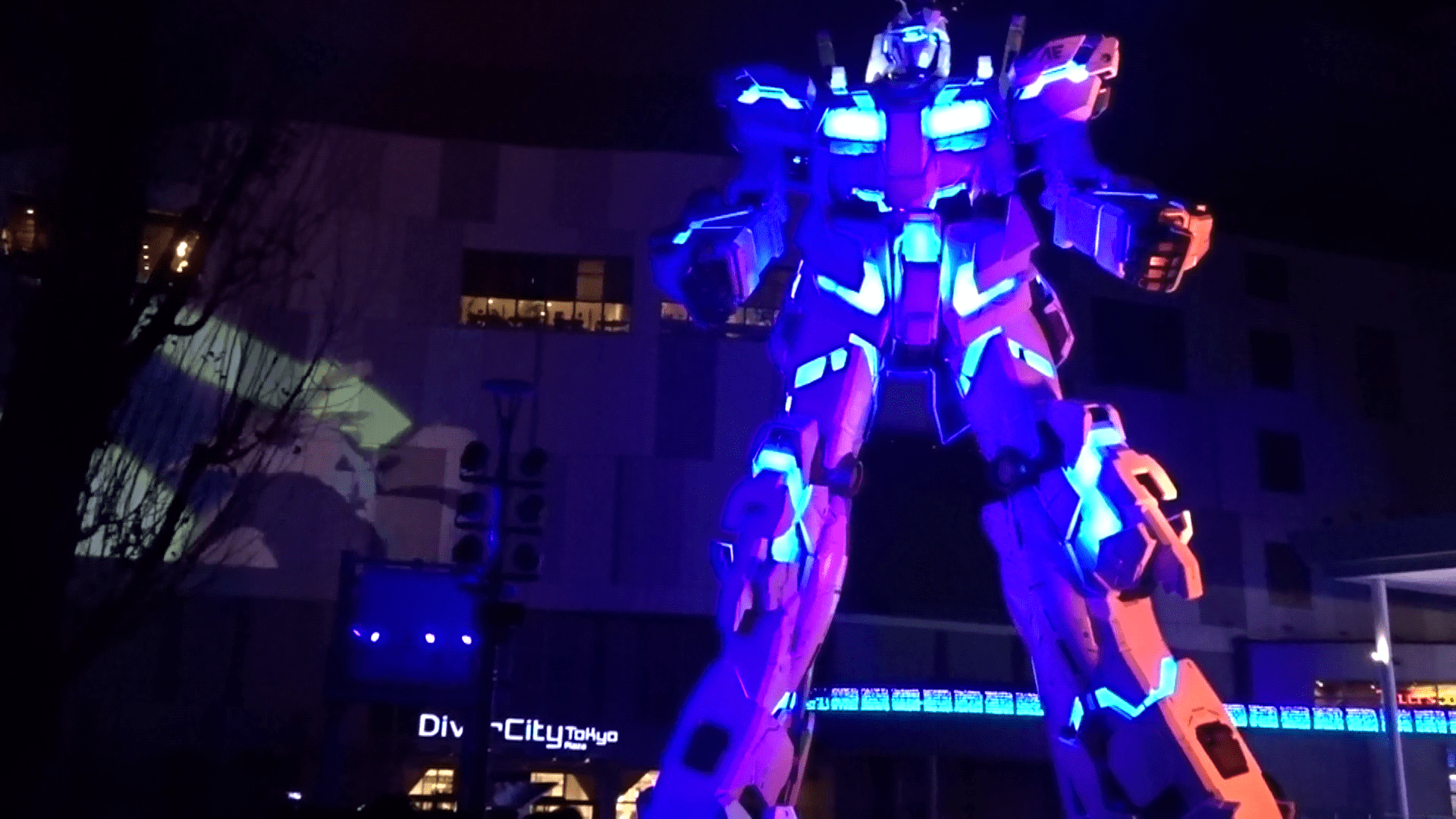
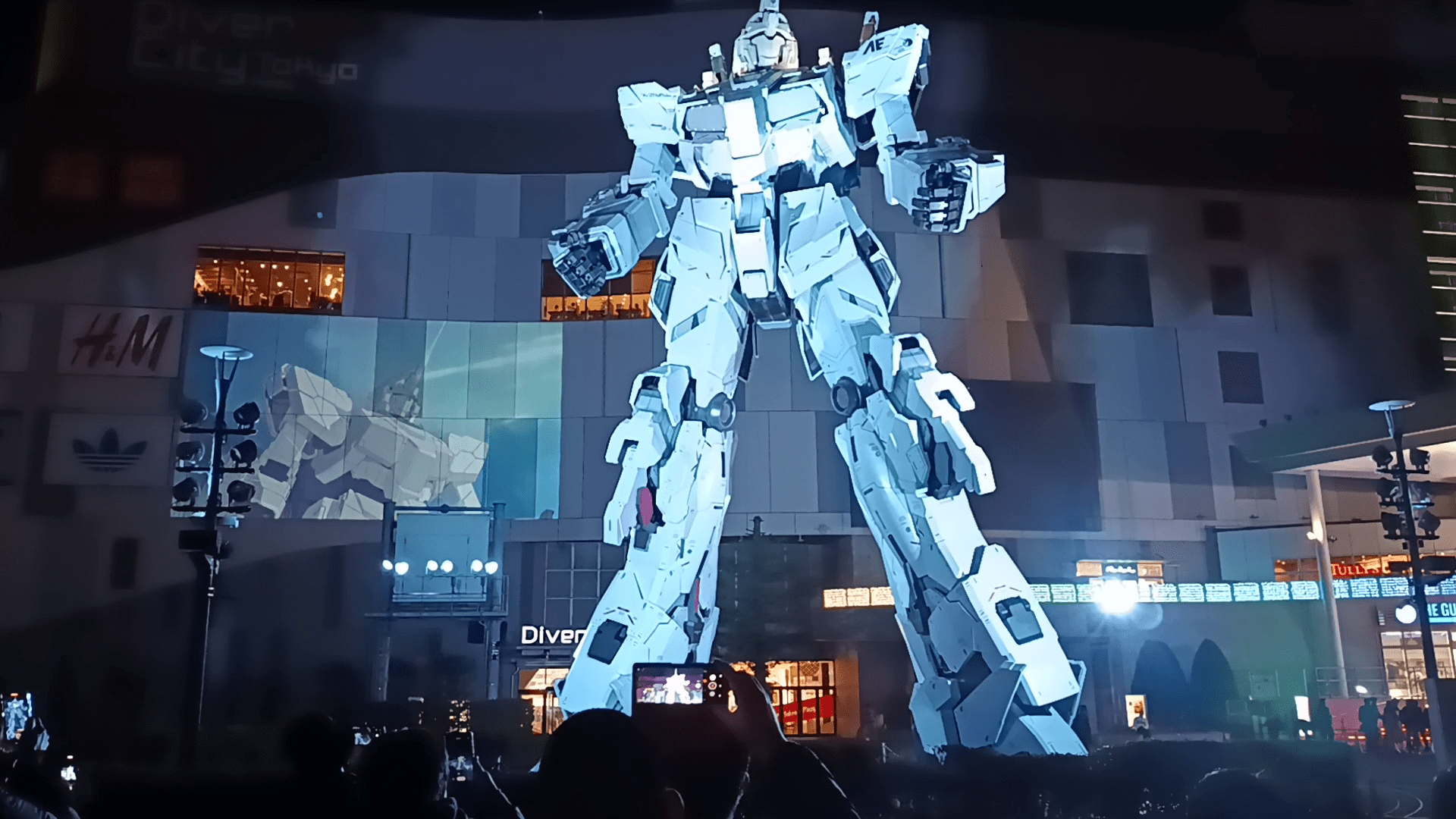
Once darkness had settled over the bay, I headed to Aqua City — but not without a detour past DiverCity first, because the evening Gundam show was in full swing. And it delivered. The thing flashes, roars, moves and projects battle scenes across multiple screens in a way that is frankly more spectacular than I had anticipated. A genuinely fun piece of spectacle, whatever your relationship with mecha universes.
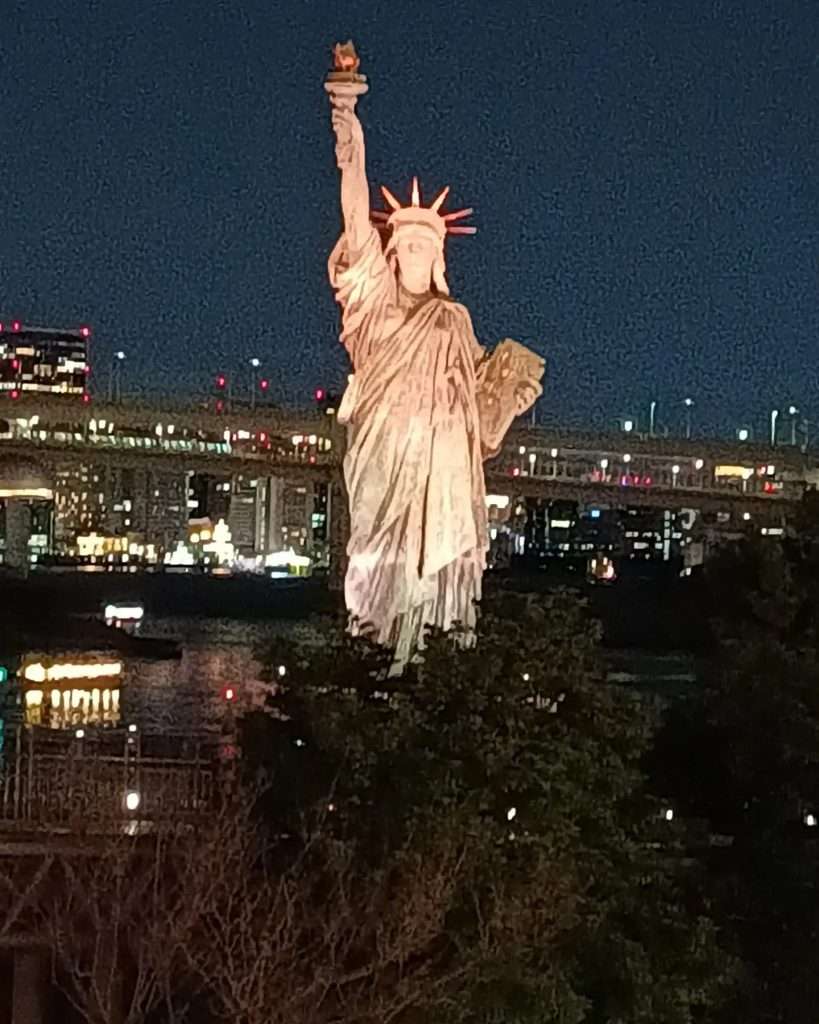
From there I made my way to Kua’Aina in Aqua City for dinner — not the most authentically Japanese meal, perhaps, but I’d heard good things and my feet were not in the mood for an adventure. The restaurant looks unassuming from the outside, but the avocado burger was genuinely excellent and I have no regrets. On the way in I had noticed the Statue of Liberty replica standing outside Aqua City, which gave me a moment’s pause — but then again, Vegas has an Eiffel Tower, so Tokyo having a Statue of Liberty seems perfectly reasonable by the logic of artificial islands.
With the shops already closing, I did a quick sweep of the mall — nominally for practical reasons, but I stumbled into a lovely little souvenir shop and came away with incense holders, notebooks, soap and the like. The saleswoman turned out to have lived in Düsseldorf for several years — because of course she had — and seemed genuinely delighted to dust off her German for a few minutes. It was a warm little moment to end the evening on.
At around 10 p.m. I finally pointed myself homeward. My feet had long since registered their protest, and with nearly three kilometres between Odaiba and the mainland, the Yurikamome was a very welcome option. I snapped a few photos of Tokyo Station on the way back, but since I was planning to return the next day anyway, I didn’t linger. Tired, satisfied, and thoroughly Odaiba’d, I was home by 11 p.m.